
 + 86 18721624519
Kusankha Kapangidwe ka Batri pa Zochitika Zokwera Kwambiri Zokhudza Kuchaja ndi Kutulutsa: Kuyika Zinthu Pang'onopang'ono Kapena Kuzungulira?
Idakhazikitsidwa mu 2002, imadziwika bwino popanga zida zolumikizirana komanso kuphatikiza kusungira mphamvu, komanso bwenzi lodalirika la ogwira ntchito anayi akuluakulu a telecom ku China.
Pamene makina osungira mphamvu ayenera kupereka mphamvu zambiri, kuyankha kwa millisecond, komanso kugwira ntchito bwino kwa nthawi yayitali, kapangidwe ka batri sikungokhala nkhani yongopanga zinthu zokha. M'malo mwake, imakhala gawo lalikulu la makina lomwe limatsimikiza kuwongolera kukana kwamkati, kugwiritsa ntchito bwino kutentha, komanso moyo wa kuzungulira. Makamaka pazochitika zoyendetsera mphamvu/kutulutsa mphamvu za 3C–10C ndi kupitirira apo, kapangidwe ka maselo amkati kamakhudza mwachindunji kugawa kwa kukana, kugawa kwa magetsi, njira zofalitsira kutentha, ndi kasamalidwe ka kupsinjika kwa makina.
Kwa mainjiniya omwe amagwira ntchito yosankha makina osungira mphamvu, kumvetsetsa kusiyana kwakukulu pakati pa mabatire a lithiamu okhazikika ndi maselo a mabala Pakakhala ntchito yothamanga kwambiri ndikofunikira kuti pakhale kapangidwe kodalirika ka makina.
Nkhaniyi ikusanthula mwadongosolo magwiridwe antchito aukadaulo osiyanasiyana kapangidwe ka batri mu ntchito zapamwamba kuchokera m'njira zosiyanasiyana, kuphatikizapo njira yamakono, kuponderezedwa kwa electrochemical, khalidwe la thermodynamic, kupsinjika kwa kapangidwe kake, ndi kuyanjana kwa dongosolo. Ikufufuzanso kufunika kwawo kothandiza pakupanga zinthu zosungira mphamvu zenizeni.
1. Njira Zolumikizirana ndi Ma Electrochemical-Structural Pazikhalidwe Zapamwamba
Pansi pa mikhalidwe yotsika (≤1C), kutayika kwa mphamvu ya batri kumachokera makamaka ku kukana kwamkati kwa zinthu ndi kukana kwa kayendedwe ka ayoni kwa electrolyte, pomwe mphamvu ya kusiyana kwa kapangidwe kake ndi yochepa.
Komabe, mtengo ukapitirira 3C, kukana kwa ohmic (Rₒ), kukana kusamutsa mphamvu (Rct), ndipo kugawanika kwa mphamvu kumawonjezeka mofulumira, ndipo vuto la kufalikira kwa mphamvu yosagwirizana mkati mwa selo limayamba kuonekera.
Mphamvu yamagetsi ya batri imatha kufotokozedwa motere:
kumene Rₒ imagwirizana kwambiri ndi kutalika kwa njira yamagetsi mu chosonkhanitsa magetsi chamagetsi cha electrode.
Mu kapangidwe ka bala, mphamvu yamagetsi imatumizidwa motsatira kutalika kwa pepala la electrode, zomwe zimapangitsa kuti njira yonyamulira ma elekitironi ikhale yayitali. Mosiyana ndi zimenezi, kapangidwe kokhala ndi ma tabu ambiri kamagwiritsa ntchito ma tabu angapo olumikizidwa pamodzi kuti agawanitse mphamvu yamagetsi, zomwe zimapangitsa kuti idutse m'ma elekitironiwo molunjika, zomwe zimafupikitsa kwambiri mtunda wonyamulira ma elekitironi. Pansi pa kutuluka kwa pulse kwamphamvu kwambiri, kusiyana kumeneku mu njira yamagetsi kumaonekera mwachindunji mu kutsika kwa magetsi ndi mphamvu yopangira kutentha.
Mayeso aukadaulo nthawi zambiri amasonyeza kuti pamene kuchuluka kwa kutulutsa madzi kumakwera kuchokera ku 1C ku 5C,
Kukwera kwa kutentha kwa maselo ovulala kumakhala kotsetsereka kwambiri kuposa kwa maselo odzaza, zomwe zikusonyeza kuti
kuchuluka kwa mphamvu yamkati mwa mphamvu yamkati. Kuchuluka kumeneku sikumangokhudza nthawi yomweyo
kugwira ntchito bwino, komanso kumathandizira kuwonongeka kwa filimu ya SEI, motero kumachepetsa moyo wa kuzungulira.
2. Makhalidwe Aukadaulo ndi Zofooka Zapamwamba za Kapangidwe ka Chilonda
Njira yozungulira ndiyo njira yaukadaulo yokhwima kwambiri mumakampani opanga mabatire a lithiamu ndipo ndi yoyenera kwambiri maselo ozungulira ndi maselo ena a prismatic. Mbali yake yayikulu ndi yakuti cathode, separator, ndi anode zimapindidwa nthawi zonse motsatizana. cathode–separator–anode–separator kupanga kapangidwe ka jelly-roll.
Kapangidwe kameneka kamapereka zabwino zingapo, kuphatikizapo kupanga bwino kwambiri, zida zokhwima, mtengo wowongolera, komanso kusasinthasintha kwabwino.
Komabe, pogwiritsa ntchito njira zamakono, mabala amakumana ndi zofooka zingapo zakuthupi zomwe zimakhala zovuta kuzipewa.
choyamba, mapangidwe a tabu imodzi kapena tabu yocheperako kungayambitse kuchuluka kwa mphamvu yamagetsi. Mphamvu yamagetsi ikadutsa mu selo, mphamvu yamagetsi imayenda bwino m'madera omwe ali pafupi ndi ma tabu, zomwe zimapangitsa kuti pakhale malo otentha.
Chachiwiri, kupezeka kwa pakati pa dzenje lapakati amachepetsa kugwiritsa ntchito mphamvu zambiri, zomwe zimapangitsa kuti pakhale kuwonjezeka kwa mphamvu.
Chachitatu, kupindika kwa mapepala a electrode panthawi yopotoza kumayambitsa kupsinjika kwa makina kotsalira, zomwe zimapangitsa kuti kutaya zinthu zogwira ntchito kukhale kosavuta panthawi yozungulira kwambiri.
Ngakhale kuti ukadaulo wopindika ma tabu ambiri komanso wopindika ungathe kuchepetsa mavuto ena, kapangidwe kake kameneka kamapangitsa kuti pakhale njira zazitali zoyendera ma elekitironi ndipo zimapangitsa kuti zikhale zovuta kuchepetsa kukana kwamkati. Chifukwa chake, m'magwiritsidwe ntchito komwe ntchito yayikulu ndiyo cholinga chachikulu, mapangidwe a mabala pang'onopang'ono amalowa m'malo mwa mapangidwe omangidwa.
3. Ubwino wa Kapangidwe ka Mabatire a Lithium Okhazikika ndi Maziko Ake Omwe Ali ndi Mabatire Osiyanasiyana
Mabatire a lithiamu odzaza Amapangidwa ndi ma cathode, olekanitsa, ndi ma anode amodzi ndi amodzi. Ubwino wawo waukulu uli mu njira zamakono zokonzedwa bwino ndi kugawa kofanana kwa kupsinjika.
Choyamba, poganizira za kufalikira kwamakono, nyumba zomangidwa motsatizana nthawi zambiri zimagwiritsa ntchito ma tabu angapo motsatizana, zomwe zimathandiza kuti magetsi azigawika mofanana kwambiri pa elekitirodi. Mphamvu imadutsa m'magawo a elekitirodi molunjika ku makulidwe, zomwe zimafupikitsa kwambiri njirayo ndikuchepetsa kukana kwa ohmic. Muzochitika zotulutsa zomwe zili pamwambapa 5C, kusintha komwe kumachitika chifukwa cha kutsika kwa magetsi kumakhala koonekera kwambiri.
Chachiwiri, pankhani yoyang'anira kutentha, kapangidwe kake ka magawo kamalola kuti kutentha kukhale kofanana, komanso kuchotsa malo osungira kutentha omwe amayambitsidwa ndi pakati pa ma cell ovulala. Kugawa kutentha kofanana kumeneku kumachepetsa chiopsezo cha kutentha kwambiri m'deralo ndipo kumapereka maziko abwino kwambiri a kutentha kwa madzi oziziritsa kapena kapangidwe ka makina oziziritsira mpweya.
Chachitatu, ponena za kukhazikika kwa makina, nyumba zomangidwa motsatizana zimapewa kupindika kwa ma electrode ndipo zimapereka kugawa kofanana kwa kupsinjika.
Pa nthawi yozungulira kwambiri, kuchuluka kwa kukula ndi kufupika kwa ma electrode kumawonjezeka. Kapangidwe kake ka stacked kangachepetse chiopsezo cha kusintha kwa separator ndi ma micro-short circuits omwe amayamba chifukwa cha kuchuluka kwa nkhawa. Deta yoyesera ikuwonetsa kuti, pansi pa dongosolo lomwelo la zinthu, maselo stacked nthawi zambiri amakhala ndi kuchuluka kwa mphamvu zosungirako zinthu ndi kokwera kuposa 10% kuposa maselo ovulala mu mayeso apamwamba a kuzungulira.
4. Kufunika kwa Mphamvu ndi Kugwiritsa Ntchito Malo pa Dongosolo la Dongosolo
Pakupanga makina osungira mphamvu, kuchuluka kwa mphamvu sikukhudza magawo a selo limodzi lokha, komanso kapangidwe ka makabati onse ndi zachuma za polojekiti. Pakati pa maselo ovulala, malo obisika pakati pa maselo ovulala, amachepetsa kugwiritsa ntchito volumetric, pomwe nyumba zomangidwa pamodzi zimathandizira kuti malo azidzaza bwino kudzera mu kuyika zinthu mozungulira.
Chiphunzitso ndi kagwiritsidwe ntchito kake kamasonyeza kuti nyumba zomangidwa motsatizana zimatha kukwaniritsa pafupifupi Kuchuluka kwa mphamvu ya volumetric ndi 5%–10%.
Pa makina osungira mphamvu zamabizinesi ndi mafakitale, kusinthaku kumatanthauza:
- Pamwamba kWh/m³
- Kapangidwe kakang'ono kwambiri ka kabati kosungiramo zinthu
- Zofunikira pa malo ocheperako a chipinda cha zida
- Kapangidwe kabwino ka ndalama zoyendera ndi kukhazikitsa
Pamene muyeso wa dongosolo ufika pa Mulingo wa MWh, kusintha kwa kagwiritsidwe ntchito ka malo komwe kumabwera chifukwa cha kusiyana kwa kapangidwe kake kungasinthidwe kukhala phindu lalikulu la ndalama zaukadaulo.
5. Mavuto aukadaulo a Njira Yopangira Zinthu ndi Zochitika Zamakampani
Kukonza zinthu kumafuna kulondola kwambiri kwa zida, nthawi yopangira imatenga nthawi yochepa kuposa kupotoza, ndipo kumafuna ndalama zambiri zoyambira zida. Komabe, pamene zipangizozo zatha, makina odulira zinthu mwachangu kwambiri, makina owongolera masomphenya, ndi zida zodulira ndi kusonkhanitsa zinthu pamodzi, kugwira ntchito kwake kwakula kwambiri. Zipangizo zina zapamwamba zapangitsa kale kuti kugwira ntchito bwino kwa zinthu zomangira zinthu zikhale ngati kugwira ntchito mozungulira.
Kuphatikiza apo, kuonekera kwa ukadaulo wa ma electrode ouma ndi matekinoloje ophatikizidwa a hybrid stack-wind ikuthandizira nyumba zokhala ndi mipanda kuti zisunge ubwino wa ntchito pomwe pang'onopang'ono zikuchepetsa kusiyana kwa mtengo.
Mpikisano wamtsogolo sudzakhalanso nkhani yongofuna kuyika zinthu pamodzi kapena kuimitsa zinthu, koma kufunafuna mgwirizano wabwino pakati pa magwiridwe antchito ndi kupanga bwino.
6. Kuchokera ku Kapangidwe ka Maselo mpaka Kuphatikiza kwa Uinjiniya wa Dongosolo
Mu ntchito zosungira mphamvu, kusankha kapangidwe ka maselo kuyenera kuganiziridwa mogwirizana ndi kapangidwe ka dongosolo.
Maselo olemera omwe sagwira ntchito bwino amagwira ntchito bwino pakukula komweko, zomwe zimapangitsa kuti magetsi azikhala bwino komanso zimapangitsa kuti BMS igwire ntchito mosavuta. Kuyerekeza kwa SOC ndi kuwongolera kulinganizaNthawi yomweyo, mawonekedwe awo ogawa kutentha amagwirizana bwino ndi zofunikira pakuchaja/kutulutsa mwachangu kwa makina osinthira magetsi amphamvu kwambiri.
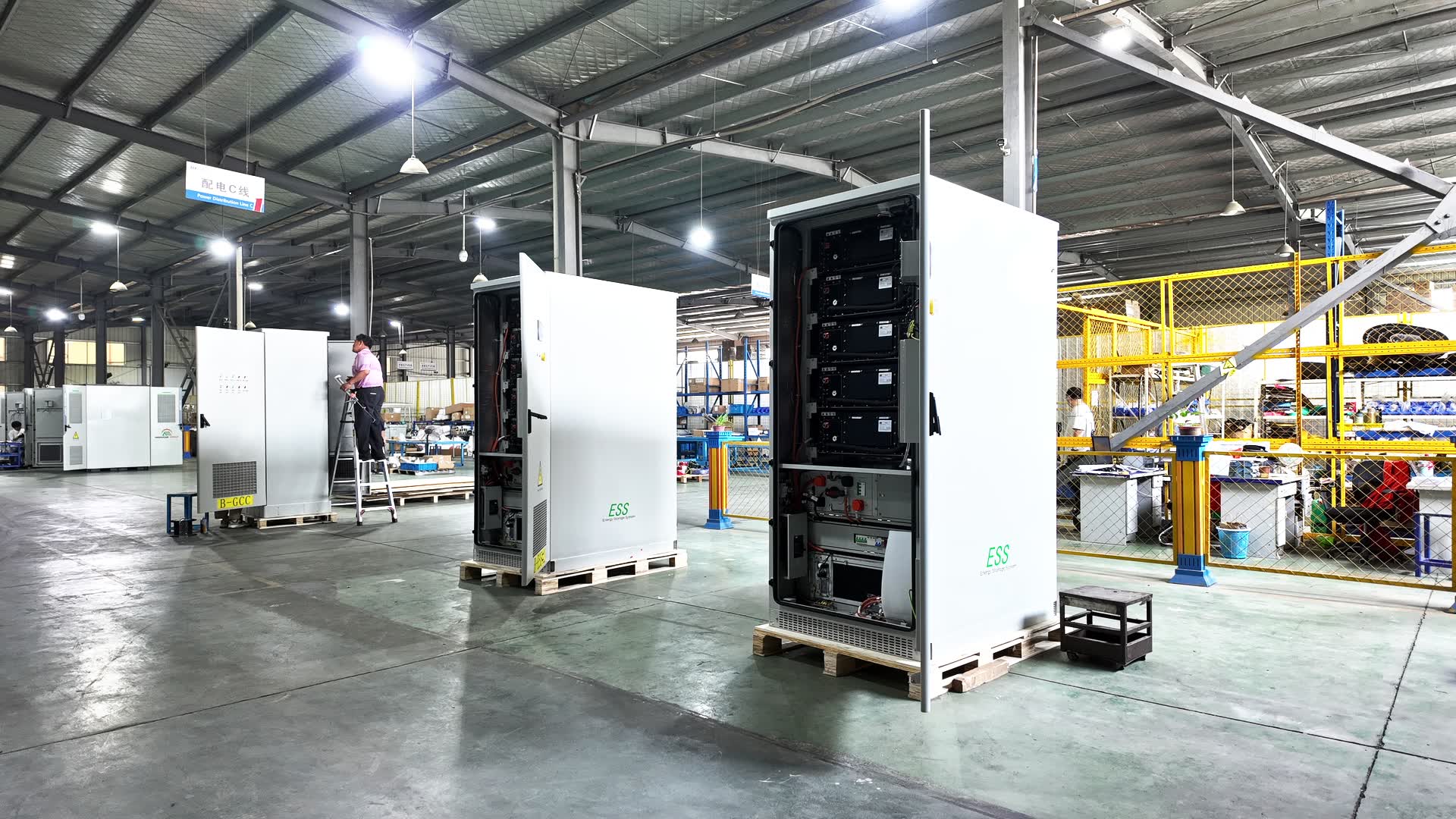
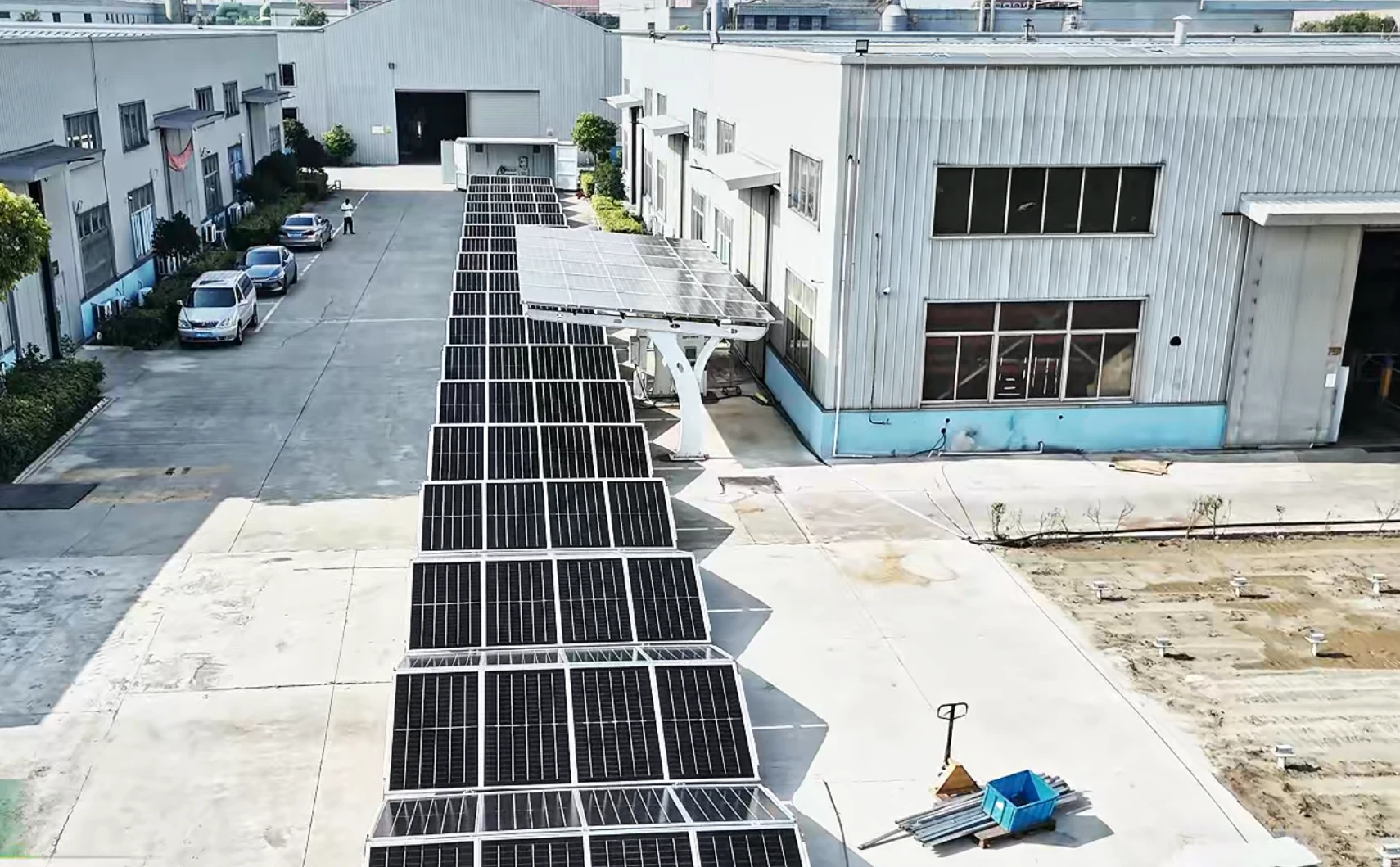
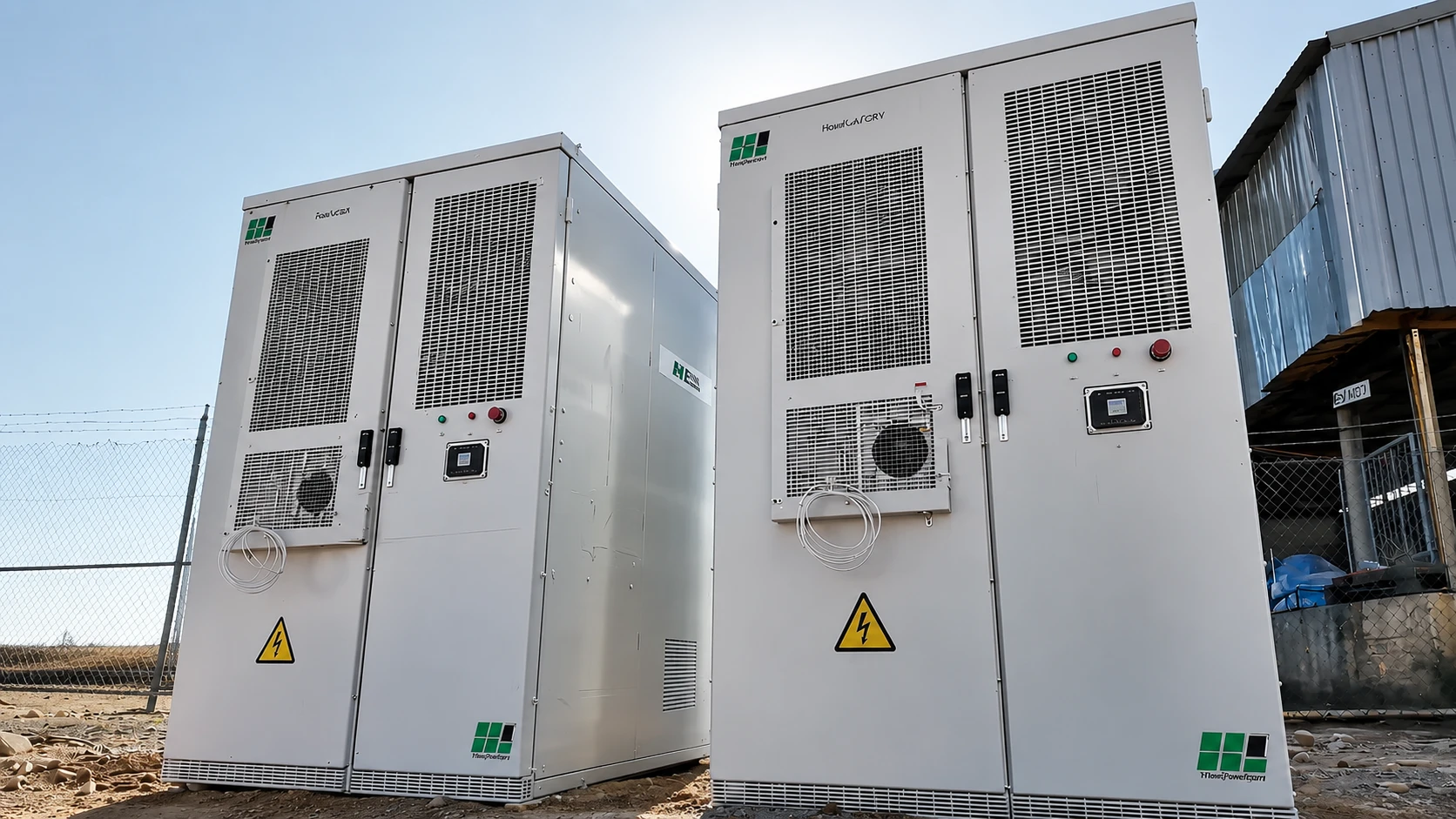
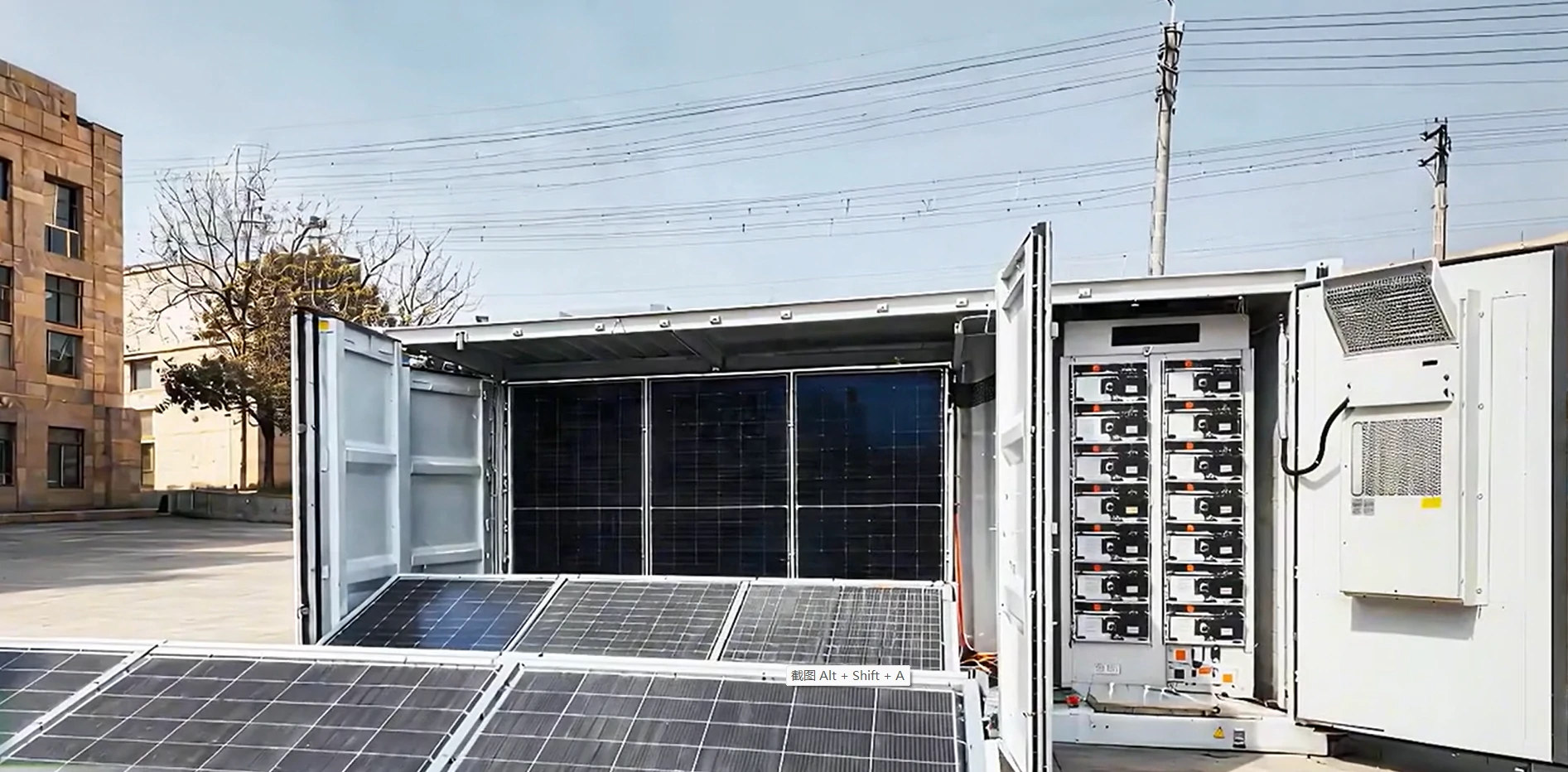
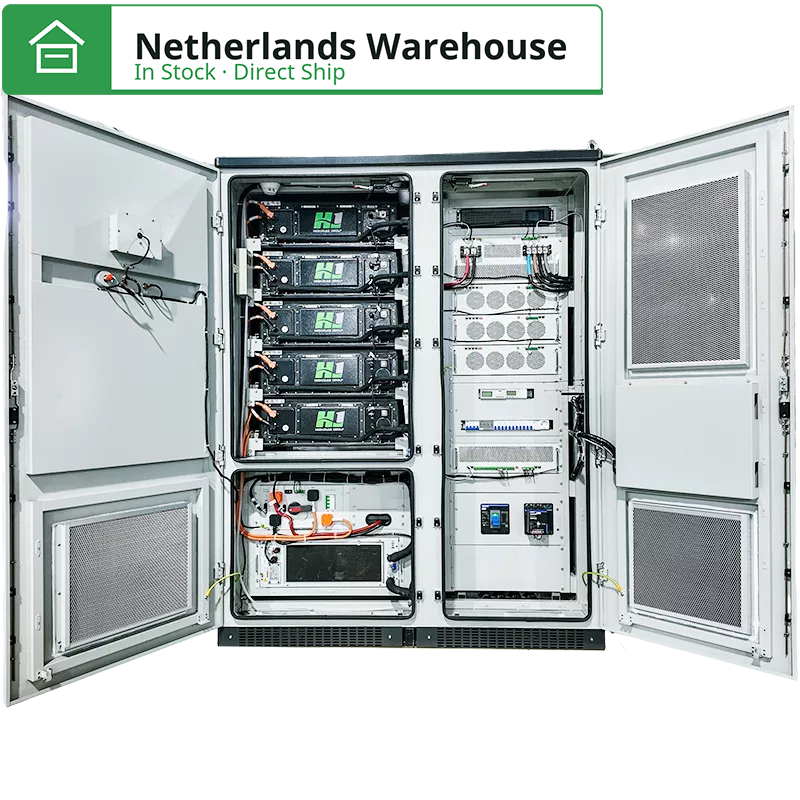
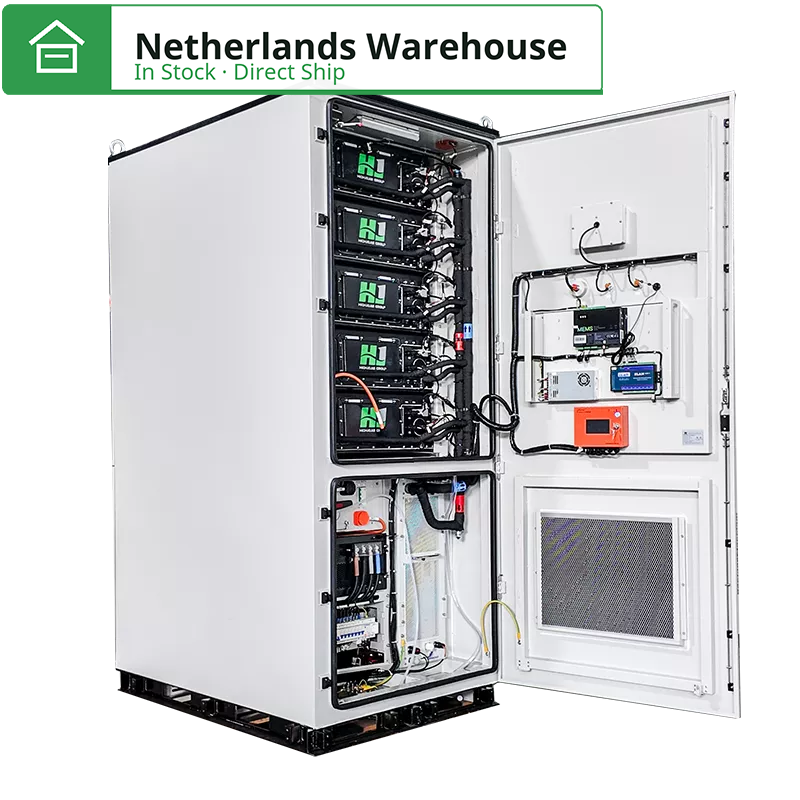
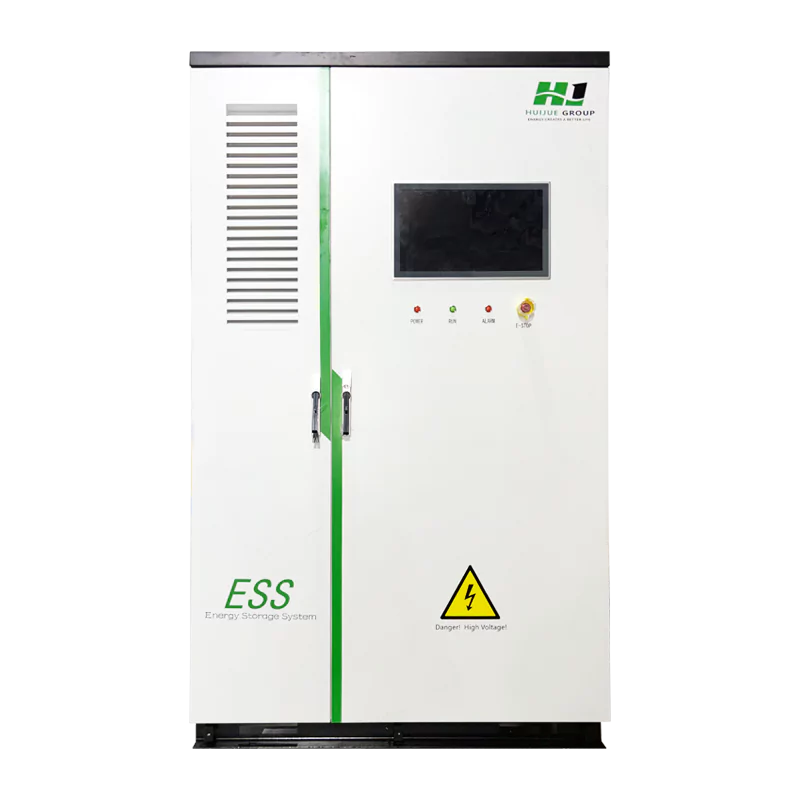
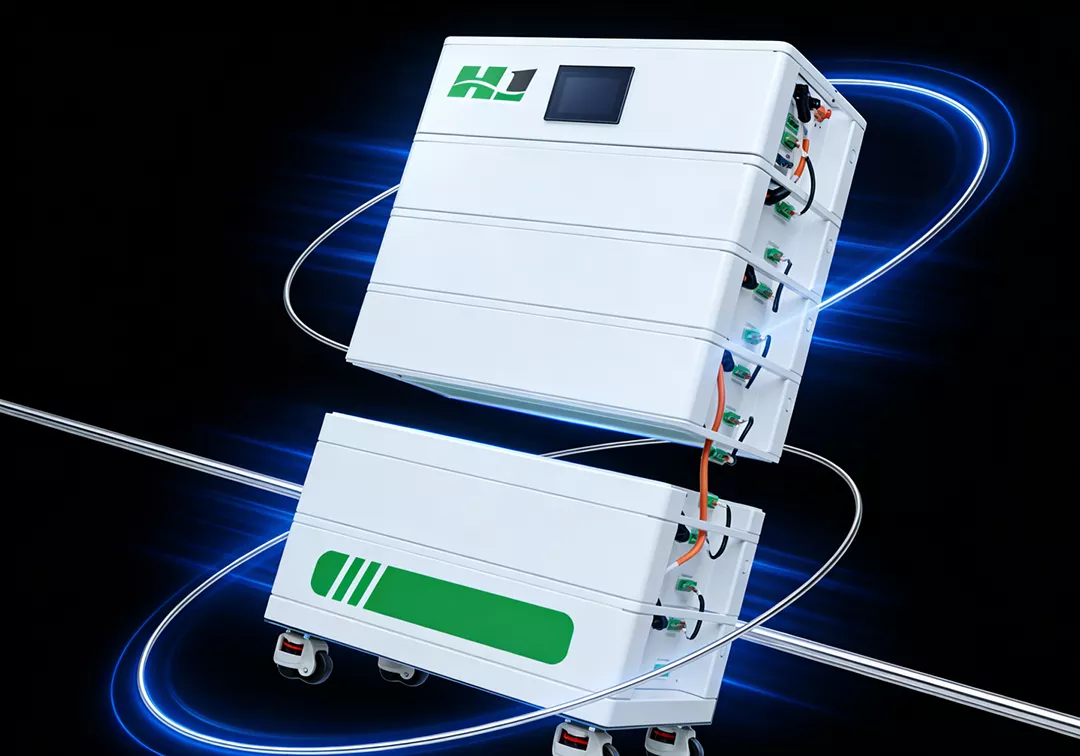
Mu kapangidwe kathu ka makina osungira mphamvu modular, timagwiritsa ntchito yankho la batri la lithiamu-ion lokhazikika yomwe imaphatikiza kapangidwe ka maselo ogwira ntchito bwino kwambiri ndi BMS yanzeru kuti ikwaniritse kukula kwa mphamvu yosinthasintha komanso kutulutsa mphamvu kokhazikika. Dongosololi limathandizira kuyitanitsa mwachangu ndi kutulutsa mphamvu, limakhala ndi nthawi yayitali komanso silikukonzedwa bwino, ndipo ndi loyenera kugwiritsa ntchito kusungira mphamvu zamalonda ndi zamafakitale, kuphatikiza malo osungiramo PV, ndi kugwiritsa ntchito mphamvu zosungira mphamvu zambiri.
Kapangidwe ka modular sikuti kamachepetsa kukakamiza kwa ndalama pasadakhale, komanso kumapangitsa kuti kukulitsa mphamvu mtsogolo kukhale kosavuta.
7. Ndondomeko Yosankha Uinjiniya Yosankha Kapangidwe
Muzochita zauinjiniya, kusankha kapangidwe ka nyumba kuyenera kuwunikidwa mokwanira kutengera miyeso iyi:
- Ngati ntchitoyo ndi yofunika kwambiri mtengo wotsika komanso wokwera mtengo, kapangidwe ka bala kamapereka ubwino wokhwima komanso kugwiritsa ntchito ndalama moyenera.
- Ngati dongosolo likufuna kuthamanga kwa mphamvu yamagetsi pafupipafupi, mphamvu yofulumira yochaja/kutulutsa mphamvu, kapena moyo wautali, kapangidwe kake kokhala ndi mipanda yolimba kamapereka ubwino wamphamvu waukadaulo.
- Ngati polojekitiyi ikupitiliza mphamvu zambiri komanso kapangidwe kakang'ono, kapangidwe kake kokhala ndi mipanda ndi kabwino kwambiri pankhani yogwiritsira ntchito malo komanso kusamalira kutentha.
Chofunika kwambiri cha ntchito zapamwamba ndi mphamvu zofunika kwambiri osati mphamvu zofunika kwambiri.
Pamene cholinga cha dongosolo chikusintha kuchoka pa kusungira mphamvu zosavuta kupita ku chithandizo cha mphamvu ndi mayankho osinthasintha, kusankha kapangidwe ka batri ayenera kupita ku kukana kochepa mkati ndi kufanana kwakukulu.
Kapangidwe kake ndi mpikisano mu nthawi yapamwamba kwambiri
Ndili njira zazifupi zamagetsi, kufalikira kwa kutentha kofanana, komanso kukhazikika bwino kwa makina, ndi batire ya lithiamu yokhazikika ikugwiritsiridwa ntchito kwambiri m'magwiritsidwe ntchito apamwamba.
Kwa makampani omwe akukonzekera njira zosungira mphamvu kapena kukweza zinthu zawo, kusankha kapangidwe ka batri koyenera si nkhani yaukadaulo yokha, komanso nkhani yodalirika kwa nthawi yayitali komanso phindu la polojekiti.
Ngati ukuyembekezera yankho la batri losungira mphamvu zambiri komanso logwira ntchito bwino, chonde musazengereze kulankhulana nafe. Gulu lathu la mainjiniya lidzapereka upangiri waukadaulo wosankha ndi njira zolumikizira makina kutengera momwe ntchito yanu imagwirira ntchito.